


There’s something about Willow Glen that feels like it’s holding onto time a little differently than the rest of San Jose. You notice it on those quiet streets, the older homes with character, and the way downtown still feels personal instead of rushed. It’s the kind of place where history isn’t just kept intact — it’s lived in every day. And that’s what makes wandering around the historic landmarks in Willow Glen so special. They’re not only sites on a map, but more like pieces of the neighborhood’s story that still nudge how it feels to live and walk here.
Historic landmarks in Willow Glen include preserved early 20th-century homes, familiar neighborhood streets, and long-standing community places that show the area’s architectural roots and cultural evolution throughout San Jose. In this guide, we’ll take a slow walk through the landmarks that help Willow Glen keep that timeless vibe, from beautifully protected architecture to local spots that most folks hurry past without realizing their history.
Notable historic landmarks and areas in Willow Glen
While Willow Glen does not have a single centralized monument district, its historic identity is shaped by several key elements spread throughout the neighborhood, much of which developed during the early 1900s to 1930s when many of the area’s residential streets and architectural styles were first established.
1. Lincoln Avenue (Downtown Willow Glen)
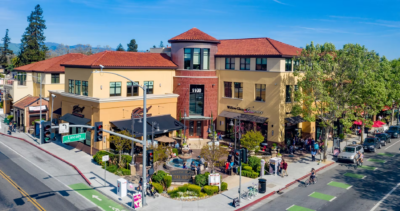
Image Source: Downtown Willow Glen Org
Lincoln Avenue is the heart of Willow Glen and, honestly, one of its most recognizable historic corridors. It’s been sort of the neighborhood’s main commercial street for decades, first developed as a walkable town center. Nowadays it still shows that early idea, with small-scale storefronts, local businesses, and a street layout that nudges folks toward a slower, more community based pace.
2. The Garden Theater
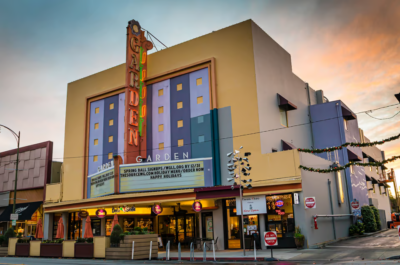
Image Source: The Virgilio Team
The Garden Theater is one of Willow Glen’s most iconic historic landmarks. It was originally built in the 20th century, and it really shows how the neighborhood has kept this long standing bond with local entertainment and those community gathering spaces. Even though it has evolved over time, it still stays as a cultural touchpoint that ties modern Willow Glen back to what it was like earlier. It’s kinda like a reminder that the past is still there, just in a different outfit.
3. Roberto Adobe & Suñol House
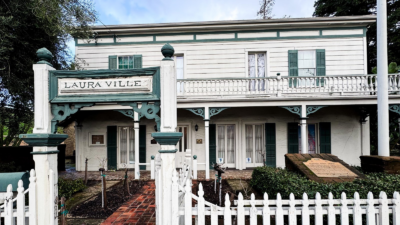
Image Source: National Park Service
Roberto Adobe & Suñol House is one of the earliest living examples of adobe building in the area , and it gives a kind of rare glimpse into how early California settlement life started. The kept structures kind of show a period when the whole place was still forming, well before newer development came along, and they offer this calm yet strong reminder of the cultural and architectural roots that shaped the neighborhoods we see today.
Why these landmarks matter today
What makes these places meaningful isn’t only their age, but how they keep shaping the whole feeling of Willow Glen and the nearby areas too. From the walkability of Lincoln Avenue, to the kept identity of older buildings like the Garden Theater and those adobe homes supported by the neighborhood’s tree-lined residential design and long-established street layout, each stop shows a slightly different layer of the region’s story, and honestly it adds up. Together, they help explain why Willow Glen feels distinct in San Jose — not like it’s frozen solid in time, but more like it managed to carry pieces of its past right into everyday life.
If you’re curious about Willow Glen or thinking about what it’s like to live in a neighborhood with this much character, I’m always happy to share more local insights and help you explore it further.