



Every homeowner eventually realizes that a house doesn’t stay in good shape on its own—it’s the small, regular upkeep that really keeps things running smoothly. Once you get familiar with simple home maintenance tasks every homeowner should know, it becomes much easier to avoid those surprise repairs that always seem to show up at the worst time. The best part? Most of these tasks are quick, simple, and don’t require any special skills.
Essential routine upkeep and preventive care activities that help maintain a home’s safety, efficiency, and condition while reducing the risk of costly repairs and long-term damage. In this guide, we’ll cover key maintenance tasks homeowners should stay on top of, from seasonal checks to simple monthly habits, so small issues don’t become expensive problems later.
What are the most important home maintenance tasks every homeowner should know?
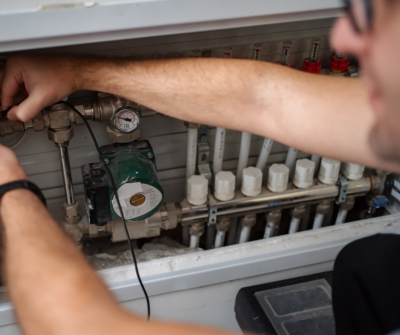

It depends on the home’s age and condition, but most homes require monthly, seasonal, and annual upkeep tasks. These include checking HVAC systems, inspecting for leaks, cleaning gutters, and testing safety devices to prevent costly damage and maintain long-term property performance. Heating and cooling alone account for about 50% of the energy use in a typical U.S. home, which makes HVAC maintenance one of the most important routines to stay ahead of.
Keeping a home in good condition comes down to consistency more than complexity. Small issues like a loose seal, clogged vent, or minor leak can slowly turn into costly repairs if ignored. The good news is that home maintenance doesn’t have to feel overwhelming. Broken into simple routines, it becomes easy to manage with just a few practical habits each month.
How often should home maintenance tasks be done?
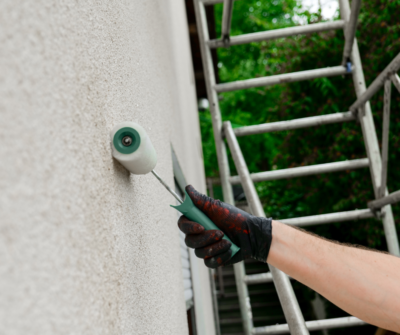
It depends on the type of task, but most should be done monthly, seasonally, or yearly. For example, air filters should be replaced every 1–3 months, gutters cleaned 2 times a year, and smoke detectors tested monthly to ensure safety and efficiency.
Breaking maintenance into timeframes makes it easier to manage and prevents tasks from being forgotten. Instead of reacting to problems, homeowners can stay ahead with a simple year-round routine.
- Monthly tasks
Test smoke and carbon monoxide detectors, check for leaks, replace HVAC filters, and inspect drains for buildup. - Seasonal tasks
Clean gutters, check the roof, service HVAC systems, and inspect exterior paint or siding. - Annual tasks
Flush the water heater, schedule HVAC servicing, clean dryer vents, and check insulation.
When these habits become routine, maintenance takes less effort and helps avoid costly surprises later on.
What happens if homeowners skip regular maintenance tasks?
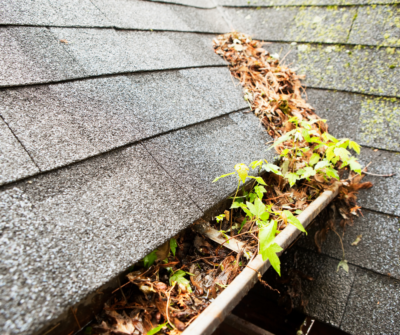
Skipping maintenance increases the risk of expensive repairs, safety hazards, and system failures. Small issues like leaks or clogged gutters can escalate into major structural damage costing hundreds to thousands of dollars if left unchecked over time.
Small issues can quickly spread to other parts of the home. A roof leak can cause ceiling damage and mold, while neglected HVAC systems can raise energy bills and shorten lifespan. There’s also a safety risk. Electrical issues, blocked vents, or faulty smoke detectors can create hazards beyond repair costs. Regular maintenance keeps the home safe and stable. The key is to treat maintenance as prevention, not reaction.
Can basic home maintenance tasks save money in the long run?

Yes, regular maintenance can reduce repair costs by preventing major breakdowns and extending system lifespan. Simple upkeep like HVAC servicing and plumbing checks can lower long-term expenses by up to 30% while improving efficiency and safety. Proper HVAC maintenance alone can also reduce energy costs by up to 20% or more, depending on system condition and use.
Consistent maintenance helps home systems run more efficiently. Clean filters reduce HVAC energy use, while clear gutters protect the roof and foundation. Good plumbing care also helps prevent hidden leaks. Even small habits like checking water pressure or clearing outdoor debris can reduce strain, leading to fewer repairs and long-term savings.
Simple Habits That Keep Your Home in Great Shape
I’ve learned over the years that keeping a home in good shape isn’t about doing everything at once—it’s about staying consistent with the small things. Most costly repairs I’ve seen didn’t start big; they started with simple maintenance that got pushed aside. When you stay ahead of those small tasks, your home runs better, feels safer, and holds its value over time.
If you ever want more practical home tips and real guidance to help you protect your investment, I’m always sharing insights like this to help homeowners make confident, informed decisions.
FAQ’s:
What tools are needed for basic home maintenance?
Basic tools like a screwdriver set, pliers, wrench, flashlight, and a small ladder are usually enough for most home maintenance tasks.
Should I do home maintenance myself or hire someone?
Simple tasks like changing filters or testing alarms can be done yourself, but electrical, plumbing, and HVAC work should be handled by professionals.
When is the best time to do home maintenance?
Spring and fall are ideal, but small maintenance tasks should be done throughout the year to keep your home in good condition.