



Mortgage rate headlines create constant noise. One day it is the Federal Reserve. The next day it is inflation or political tension. For buyers and sellers trying to make precise financial decisions, that noise can lead to costly assumptions.
What actually moves mortgage rates is primarily the bond market, especially the 10-Year Treasury yield, along with inflation expectations and major economic data releases. Mortgage rates do not move in direct lockstep with Federal Reserve announcements or daily news headlines.
In today’s blog, we will clarify what actually drives rate movement, what does not, and how to use that knowledge to time a purchase or sale more strategically in today’s market.
What Actually Moves Mortgage Rates?
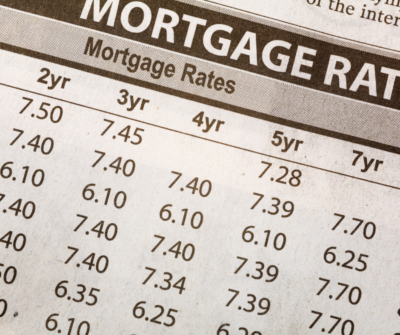
Data shows mortgage rates are primarily driven by the 10-Year Treasury yield, inflation expectations, and real-time economic data. When clients ask what actually moves mortgage rates, the answer begins with the bond market, not headlines. Lenders price loans based on bond market activity, and when bond yields rise or fall, mortgage rates typically follow, often adjusting within hours of major economic reports.

Mortgage rates are forward-looking. In late February 2026, the average U.S. 30-year fixed rate dipped below 6%, around 5.98%, showing how quickly rates respond to bond market expectations. The bond market looks ahead to inflation and growth trends. When inflation expectations ease, yields and mortgage rates often decline. When inflation persists, borrowing costs typically rise. For buyers and sellers across , especially in and , this dynamic influences affordability more than headlines.
The Core Drivers Behind Rate Movement
- 10-Year Treasury Yield
Mortgage-backed securities compete with U.S. Treasuries for investor capital. When the 10-Year yield rises, mortgage rates typically rise to remain competitive. - Inflation Expectations
Investors demand higher yields when inflation is expected to erode long-term returns. Even modest changes in outlook can move rates. - Major Economic Reports
CPI, employment data, and consumer spending reports can trigger immediate repricing. Lenders adjust rates to reflect updated risk assessments.
For reliable data releases that influence these movements, the provides inflation and employment reports that markets respond to in real time.
Do Fed Rate Hikes Directly Affect Mortgage Rates?

No, the Federal Reserve controls the federal funds rate, not mortgage rates. Markets often price in expected Fed moves weeks in advance. As a result, mortgage rates can fall even on the day of a hike if inflation expectations improve or bond yields decline.
This distinction is critical. The federal funds rate governs short-term – think overnight – bank lending. Its what a bank will pay another bank to borrow money to cover their legally required reserve minimums. Mortgage rates are long-term instruments influenced by investor demand for bonds. By the time a Fed announcement is made, the bond market has typically anticipated the decision. For buyers evaluating opportunities in communities such as here in the Silicon Valley, reacting to a single Fed meeting rarely improves timing. Strategic preparation matters more than headline response.
Why Are Mortgage Rates Changing So Frequently?

Data from inflation reports, employment numbers, and consumer spending drives rapid bond market reactions, with recent figures showing the average U.S. 30-year fixed mortgage rate holding near 6.21% while headline inflation cooled to 2.7%, underscoring how CPI and jobs data shape rate expectations. When new economic data shifts expectations, yields adjust immediately. Mortgage lenders reprice accordingly, sometimes multiple times within a single week, reflecting uncertainty about future inflation and growth.
Should I Wait for Mortgage Rates to Drop Before Buying or Selling?

It depends but usually no. A meaningful rate drop can trigger a surge in buyer demand within weeks, increasing competition and home prices. Strategic timing is less about predicting the lowest rate and more about evaluating inventory levels, negotiation leverage, and long-term equity positioning.
When rates decline, affordability improves and demand often accelerates. In supply-constrained markets, like the one Silicon Valley is in now, that frequently leads to stronger competition rather than discounted pricing. Conversely, when rates rise, buyer activity can slow, sometimes creating negotiation opportunities for well-prepared purchasers.
Pro Tip:
Instead of waiting for the perfect rate, focus on readiness. Strong financing, clear criteria, and disciplined negotiation create leverage in any rate environment. Markets reward preparation more consistently than prediction.
Strategy Over Headlines
Mortgage rates will continue to move, often in ways that surprise the headlines. The advantage is not in predicting every shift but in understanding what actually drives them and preparing accordingly. When you view rate movement through the lens of bond markets, inflation expectations, and economic data, timing becomes strategic rather than reactive. Buyers can identify negotiation windows. Sellers can assess demand strength with greater clarity. In complex markets, informed positioning consistently outperforms headline-driven decisions.
If you are considering a purchase or sale in Santa Clara County, particularly within or Los Gatos, Almaden, Campbell or Saratoga, I am here to guide you with structure, insight, and disciplined execution. Together, we will build a plan grounded in data and aligned with your long-term goals, so your next step feels like The Most Supported Move You’ll Make.
FAQs:
Can geopolitical events affect mortgage rates in the United States?
Yes, major global events can influence U.S. mortgage rates indirectly. During periods of uncertainty, investors often move money into U.S. Treasury bonds for stability. That increased demand can push bond yields lower, which may lead to lower mortgage rates.
How often do mortgage rates change?
Mortgage rates can change daily, and in volatile markets, even multiple times within the same day. Lenders adjust pricing based on bond market movement, economic data releases, and investor demand for mortgage-backed securities.
Does my credit score affect the mortgage rate I receive?
Yes. While market conditions determine overall rate direction, your credit score, debt-to-income ratio, and loan structure influence your individual rate. Strong financial positioning can secure more favorable pricing, even in a higher-rate environment.
Wendy Marioni — Luxury Realtor® | Silicon Valley