



For most of the past year, the housing market stayed in a holding pattern as buyers paused, mortgage rates shifted, and sellers waited. But recently, pending home sales have picked up while inventory growth has started to slow.
The Silicon Valley housing market in 2026 may be more stable than expected if this trend continues. In areas like San Jose, Los Gatos, Saratoga, Willow Glen, and Campbell, these early signals could influence pricing and competition heading into 2027.
Is the Silicon Valley Housing Market Improving in 2026?


Yes — recent data shows a 10% year-over-year increase in pending home sales, with the 4-week average up 6.5% versus 2025. This suggests buyer activity is slowly returning after a cautious period driven by higher mortgage rates and uncertain confidence. However, momentum is still uneven, with demand shifting week to week as rates and sentiment change.
In Silicon Valley, this pattern is especially important. Markets like San Jose, Sunnyvale, and Mountain View tend to react quickly to rate changes, particularly among move-up buyers. Overall, demand is improving, but it remains fragile and highly sensitive to economic signals.
Are Home Prices Still Falling in 2026?
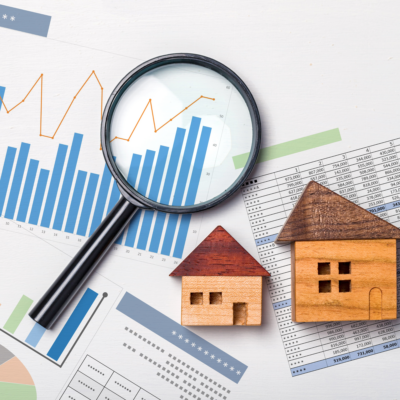
Yes — but the pace is moderate, not dramatic.Nationally, median asking prices are down about 2.2% year-over-year, and many major Case-Shiller cities are still showing negative annual changes. This reflects the delayed impact of the inventory surge from 2024 to 2025.
Home prices aren’t reacting to today’s conditions as much as last year’s supply, which typically works through the market with a 6–12 month lag. In Silicon Valley, this shows up more as price resistance than sharp declines. Well-located homes in areas like Palo Alto and Los Gatos still attract strong demand, while others require more pricing flexibility. Overall, current weakness reflects past inventory conditions—not necessarily a deeper downturn ahead.
Why Does Inventory Matter So Much in the 2026 Housing Market?

Inventory is currently the most important signal in the housing market, and it is starting to change direction.
Key data points:
Total U.S. housing inventory is in the high-900,000 range, with low single-digit year-over-year growth showing a clear slowdown. New listings are slightly below last year, and some segments still carry elevated supply, with about 8.5 months of inventory for new homes in early 2026 conditions. Inventory shifts typically affect prices with a 6 to 18 month lag, meaning today’s slowdown matters more for future stability than current pricing.
Silicon Valley Housing Market Outlook for 2026
The Silicon Valley housing market in 2026 is showing a more balanced but fragile setup. Demand is improving in short bursts, but it is still sensitive to mortgage rate changes. At the same time, slowing inventory growth is becoming the most important signal to watch, as it may shape price stability and direction into 2027 rather than 2026 itself.
If you’re trying to understand what this means for your next move in Silicon Valley, I’m here to help you interpret the data in real terms—whether you’re planning to buy, sell, or just stay ahead of the market in neighborhoods like San Jose, Los Gatos, or Palo Alto.
FAQ’s:
What is the biggest risk to the Silicon Valley housing market in 2026?
Mortgage rate volatility. Even small increases can quickly slow demand in a highly rate-sensitive market like Silicon Valley.
Will Silicon Valley home prices crash in 2026?
No. Current data points to softening, not a crash, supported by limited long-term supply in key Silicon Valley areas.
Is 2026 a good time to buy in Silicon Valley?
It depends on your timeline. Long-term buyers may benefit from softer prices, but short-term rate swings still create uncertainty.