


Homeowners often hear about reverse mortgages but they lack understanding of both its operation and its suitability for their future requirements. The process appears complicated at first but simple breakdowns make it understandable because retirees use it to gain financial independence.
The reverse mortgage provides home equity to property owners aged 62 and above who receive cash through this loan without needing to make monthly repayments. The loan must be repaid when the homeowner sells the property, leaves the premises, or passes away. This is known as what is a reverse mortgage. The article presents information about eligibility requirements, operational details, and main advantages and disadvantages.
What Is a Reverse Mortgage and How Does It Work?
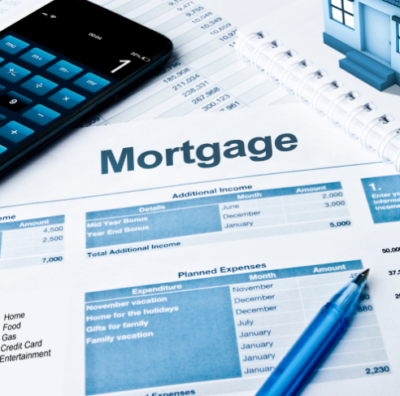
Homeowners aged 62 and above can use a reverse mortgage to turn their home equity into cash without making any monthly payments. The lender pays you, and the loan balance increases over time. You must repay the loan when you either sell the home or move out or when you die, but you must continue paying property taxes and insurance costs.
Homeowners can access home equity through a reverse mortgage without selling their home. The lender provides payments to the homeowner which function as a retirement income supplement. The loan amounts which a borrower can receive depend on their age, the current value of their home, the existing interest rates, and their outstanding mortgage debt. Older homeowners with more equity can typically borrow more. The federally insured HECM stands as the most popular choice because it offers civil protection and mandates counseling sessions.
Who Qualifies for a Reverse Mortgage?
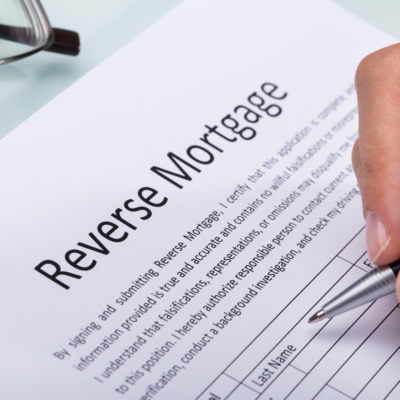
You may qualify if you are 62+, live in the home as your primary residence, and have sufficient equity. Lenders also review your ability to cover property taxes, insurance, and maintenance. Most reverse mortgages are federally insured programs with specific eligibility guidelines.
Qualification goes beyond age. Lenders confirm the home is your primary residence and that you can continue paying property taxes, insurance, and upkeep. Credit is reviewed, but strong income is not always required. Many seniors qualify since about 79% of Americans aged 65+ own their homes, giving them strong equity. Eligible properties include single-family homes, approved condos, and some manufactured homes. Vacation and rental properties do not qualify. Homeowners must also complete counseling with a HUD-approved advisor before approval.
Pro Tip: A reverse mortgage works best if you plan to stay in the home long-term, since costs and loan balance increase over time.
What Are the Pros and Cons of a Reverse Mortgage?

It depends. Benefits include no monthly mortgage payments and access to tax-free cash. Risks include rising loan balance, reduced home equity, and impact on inheritance. You must also maintain the home and stay current on taxes and insurance to avoid default.
The primary benefit of this system results in better cash flow management. Homeowners can use funds for daily expenses, healthcare, or home improvements without monthly payments, helping retirees manage fixed incomes. U.S. homeowners aged 62 and older possess home equity exceeding $14 trillion, which makes reverse mortgages a major financial option. The loan balance increases because of interest and fees, which results in decreasing home equity and inheritance value. A reverse mortgage depends on personal goals, time in the home, and financial planning needs.
Understanding the Value of a Reverse Mortgage
A reverse mortgage allows homeowners to access their home equity without selling their property and without paying monthly fees. The service provides retirees with financial flexibility although it results in permanent financial commitments which include increasing loan amounts and decreasing home value and continuous costs for property tax and insurance. The operational structure of the system requires people to study its fundamentals before they can reach their conclusion.
The first step I recommend to homeowners is to assess their complete financial situation before they make any decisions. If you need help, I can explain the available reverse mortgage options to you so that you can choose the best one which will help you achieve your goals.
FAQ’s:
Can you lose your home with a reverse mortgage?
Yes. You must still pay property taxes, insurance, and maintain the home. Missing these obligations can lead to default and possible foreclosure.
Does a reverse mortgage affect government benefits?
No. It does not affect Social Security or Medicare, but it may impact needs-based programs like Medicaid depending on how funds are used.
Can you pay off a reverse mortgage early?
Yes. You can repay it anytime without penalties, either by selling the home or using other funds.